
Review · ASWAN
From Aswan: 4-Day Nile Cruise from Aswan to Luxor with Guide
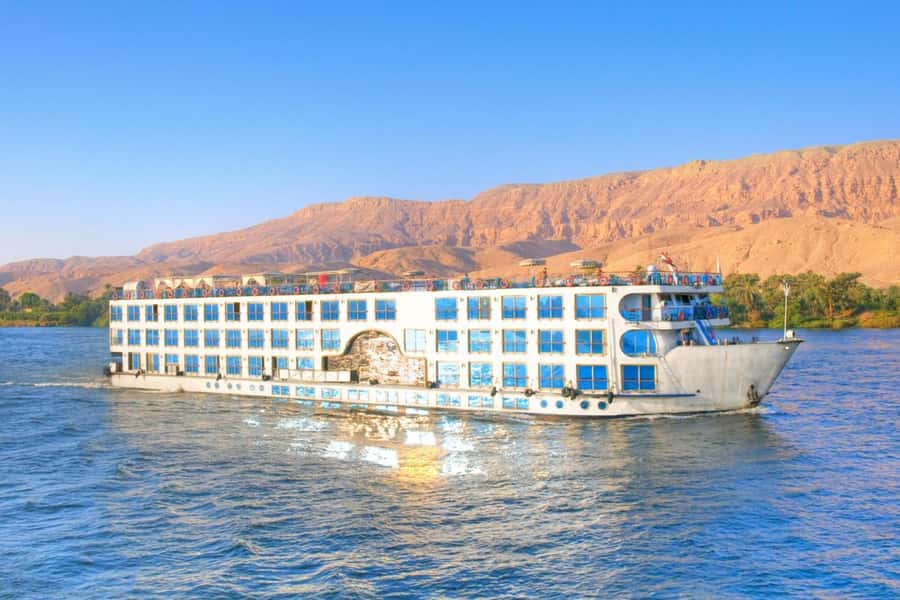
The best part of this three-night Nile cruise is simple: you unpack once while ancient temples arrive in sequence. You glide past desert banks, eat onboard, and step ashore at Philae, Kom Ombo, Edfu, and Luxor’s great monuments without arranging a new taxi every morning.
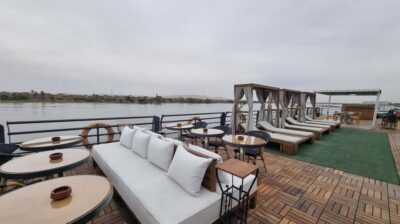
I especially like two things here. First, the private guide and driver make a complicated stretch of Egypt easy to manage. Guides such as Mary, Ahmed Sony, Shaimaa Baheeg, and Manal have been praised for clear explanations, patience, and time for photographs. Second, the cruise gives you a calm base between busy temple visits, with full-board meals and a chance to watch the Nile from the deck.
The main caution is the pace. The final Luxor day covers the Valley of the Kings, Hatshepsut Temple, Colossi of Memnon, Karnak, and Luxor Temple, and some visits may feel rushed. Ships can also be older than the phrase 5-star suggests, and drinks, entry fees, and tips cost extra.
Key points to know before booking

- Philae begins the journey beautifully: Reach the island temple by boat and see its Graeco-Roman colonnades beside the Aswan skyline.
- Abu Simbel is optional: Add the early guided excursion from Aswan, or keep the morning free before sailing toward Kom Ombo.
- Three nights afloat save time: Your cabin, meals, and transport between major stops are bundled into one trip.
- Edfu is a major highlight: The temple of Horus has extensive wall carvings and some of the best-preserved temple spaces on the route.
- Luxor packs in the big names: The West Bank and East Bank are covered in one long day, including Karnak and Luxor Temple.
- Allow extra money for extras: Entry tickets, drinks, and tips are not included, and some guides may suggest shopping stops.
Why this Nile route works so well
At $830 per person, this is not a budget boat ride. It is a packaged Upper Egypt trip that combines a 5-star cruise, full board, hotel pickup and drop-off, private guiding, and ground transport. The value comes from having the difficult pieces coordinated for you.
You are not paying only for a cabin. You are paying to move from Aswan to Luxor while visiting the main temples along the way. That matters in Egypt, where arranging drivers, ferry crossings, temple tickets, and local explanations separately can take time and patience.
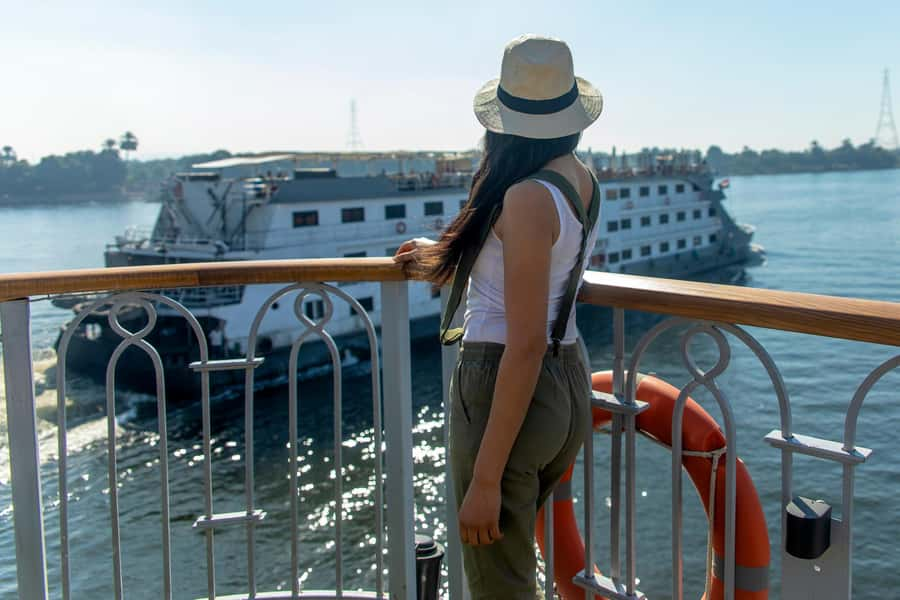
The cruise also changes the rhythm of the trip. Sightseeing can be hot, crowded, and intense. Between visits, you return to the ship, eat lunch, watch the riverbanks slide past, and rest. I like that balance much more than spending four straight days in cars.
The rating is 4.1 from 593 reviews, which suggests a strong experience with some real limitations. The most consistent praise goes to the guides, ship staff, food, communication, and easy pickups. The weaker points are the age of some boats, rushed timing at Edfu or Luxor, extra tipping pressure, and occasional concerns about guiding or driving standards.
More Nile Cruises in Aswan:
- 4-Days Nile Cruise From Aswan To Luxor including Abu Simbel and Hot Air Balloon
★ 5.0 · 3,142 reviews - 4-Day 3-Night Nile Cruise from Aswan to Luxor&Abu Simbel+Balloon
★ 5.0 · 2,023 reviews - 4-Day 3-Night Nile Cruise from Aswan to Luxor including Abu Simbel, Air Balloon
★ 4.5 · 612 reviews
Day 1: Philae Temple and your first evening aboard
Your guide collects you from your Aswan hotel and takes you to Philae Temple. The temple sits on an island, so the approach by boat is part of the pleasure. It is a more graceful opening than a quick roadside stop, with columns, sanctuaries, and kiosks set against the water.
Philae is known as the Pearl of Egypt, and the nickname makes sense once you see the setting. The complex brings together Egyptian and Graeco-Roman work, so your guide can help you read the layers rather than treating the site as a collection of impressive stones.
This is where the quality of your guide matters most. Mary, Mariam Luka, Heba, Moo, Waleed Adnan, Shimaa, and Ahmed Sony are among the guides praised for explaining the temple clearly and allowing time to look around independently. Good guiding also helps you notice details that are easy to miss, including inscriptions, reliefs, and the way the temple was arranged.
After Philae, you board the ship for lunch. The rest of the day is generally yours to settle in, inspect the boat, and watch Aswan recede from the deck. The cruise includes full board, so meals are covered, but drinks are not.
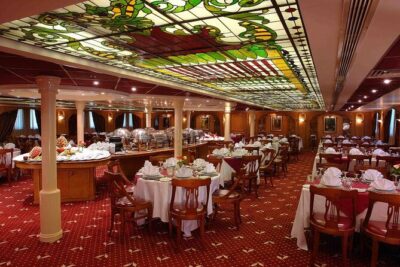
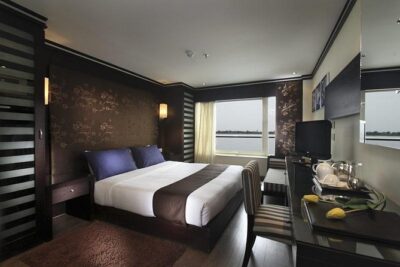
You may be placed on a ship such as Queen Isis, or on another vessel assigned for your departure. Some descriptions of the boats are very positive, with clean rooms, pleasant staff, good food, and social activities. Other accounts describe older furnishings or a boat that feels less luxurious than expected. Keep your expectations practical: Nile cruise quality can vary, even when the package is sold as 5-star.
Day 2: Abu Simbel, Kom Ombo, and sailing after dark
The early morning Abu Simbel excursion is optional. If you add it, you travel from Aswan to the great temples built by Ramses II, then return in time for the cruise schedule. The site is famous for its huge seated figures and for the modern engineering needed to protect the temples after the construction of the Aswan High Dam.
This is a long addition to an already active trip, so think about your energy. It is also one of the strongest optional choices on the route. Guides have used photographs on the journey to explain the monuments before arrival, which can make the visit more meaningful once you reach the site.
If you skip Abu Simbel, you have a free morning in Aswan. That is a sensible choice if you prefer a slower start or plan to see Abu Simbel separately. The package does not include airport or train station transfers, so arrange those separately if your arrival or departure uses either.
After lunch, the ship sails toward Kom Ombo. The river views are part of the experience here. You see desert on both banks, small settlements, cultivated strips, and a quieter side of Egypt than the major cities provide. The boat gives you time to enjoy the scenery without turning every hour into a guided activity.
At Kom Ombo, your guide leads you through the unusual double temple. One side is linked with Sobek, the crocodile god, and the other with Horus, the falcon-headed god. The paired layout gives the site a useful visual logic, with separate gateways, chapels, and sacred spaces.
Kom Ombo is not as vast as Karnak, but it is memorable because the plan is so unusual. Your guide can explain how the two religious traditions share one complex. After the visit, you return to the ship for dinner and sail overnight toward Edfu.
Be ready for engine noise. One passenger described motors running through the night, and that is a fair warning for light sleepers. The Nile cruise is scenic and convenient, but it is still a working boat, not a silent hotel.
Day 3: Edfu’s Temple of Horus

Edfu is reached after breakfast, and the Temple of Horus is one of the best reasons to choose this route. It is the largest temple dedicated to Horus, and its scale becomes clear as you approach the monumental entrance and falcon statues.
The carved walls are especially useful for understanding the Hellenistic period in Egypt. Reliefs show religious scenes, royal ceremonies, and mythological stories. A strong guide can turn the carvings into a readable story rather than leaving you to photograph large walls without context.
The main problem is time. Some schedules allow only 20 to 30 minutes of free time at certain temples, and Edfu has occasionally felt rushed because the ship must keep to its sailing plan. You may need to listen closely during the explanation, then make quick choices about photographs and personal exploration.
That tension is built into a cruise. The ship has to leave on schedule, so you do not have the freedom of a private car and hotel-based tour. If Edfu is one of your top interests, ask the operator for the expected shore time before booking, and stay aware of the return time once you leave the group.
Back onboard, you have more time to rest and enjoy the river. The practical strength of the cruise is most obvious here. Instead of arranging a second transfer after Edfu, you return to your room and continue toward Luxor.
More Four-Day Trips in Aswan:
- From Aswan:4 Days Nile Cruise Luxor Abu Simbel & Air Balloon
★ 4.4 · 310 reviews - Aswan: 4-Day Egypt Private Tour with Nile Cruise, Balloon
★ 4.3 · 76 reviews - From Aswan: 4 Days Nile River Cruise with Guided Tours
★ 4.2 · 42 reviews - Luxury 4-Day 3-Night Nile Cruise from Aswan to Luxor
★ 5.0 · 29 reviews
Day 4: The Valley of the Kings and Hatshepsut Temple
The final day is the busiest. You leave your luggage at reception and begin with Luxor’s West Bank. The Valley of the Kings places you inside the royal tombs of the New Kingdom, where corridors descend into the rock and walls carry painted reliefs and hieroglyphs.
The included description does not specify which tombs are entered or how many are covered. Entry fees are not included, so check the current ticket arrangements and budget for them. Conditions can change, and the number of open tombs may affect the exact visit.
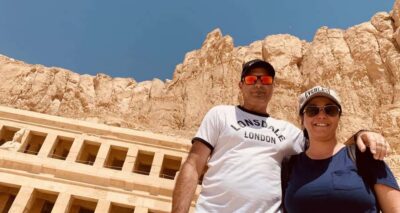
Next comes the Mortuary Temple of Queen Hatshepsut. Its broad terraces and strong horizontal lines make it very different from the enclosed tombs. Hatshepsut admired the nearby temple of Mentuhotep II and had her own monument built beside it on a grander scale, an architectural comparison your guide can point out on site.
Guides such as Khaled Galal, Shaimaa Baheeg, Manal, Ati, and others have been singled out for clear explanations at Luxor. Some guides use images to show how the temples looked or to explain building stages. That extra visual help is useful because Luxor’s monuments are large enough to overwhelm you.
You then stop at the Colossi of Memnon. These huge statues make a quick photo stop rather than a long visit. Afterward, lunch is served at a local restaurant in Luxor, which breaks up the day and gives you something different from the ship’s dining room.
The afternoon moves to the East Bank and Karnak Temple. Karnak is not one building but a vast religious complex containing three main temples, smaller enclosed temples, and outer structures built over about 1,500 years. The scale can be hard to grasp at first, so stay close during the introduction, then use any free time for the details that interest you most.
Luxor Temple follows. It was central to the annual Opet celebrations and was begun by Amenhotep III and completed by Tutankhamun. Compared with Karnak, Luxor Temple can feel more focused and easier to read, especially when your guide explains its ceremonial role and the changes made across different periods.
This is a superb final day, but it is also a demanding one. Several people found Luxor rushed, especially when trying to fit both banks into one schedule. I would add an extra Luxor night if you can. It gives you breathing room and lets you explore without watching the clock.
Guides, drivers, and communication
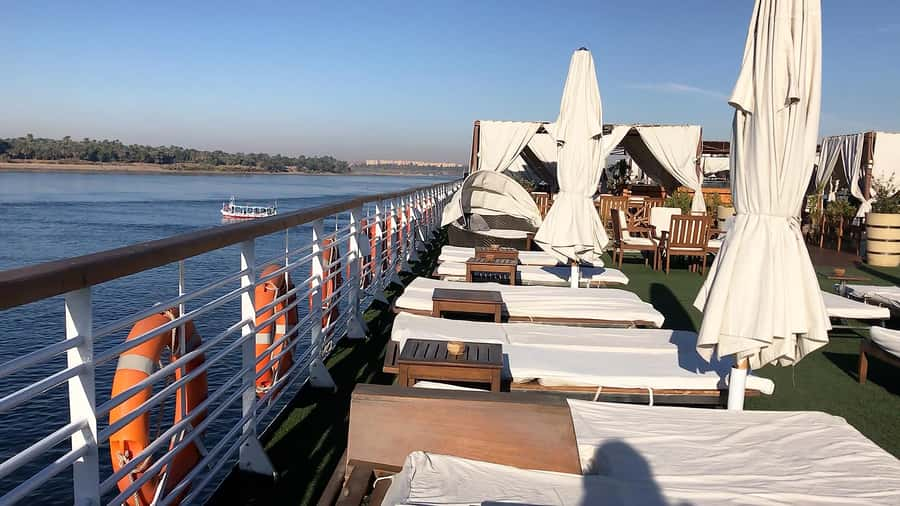
The strongest part of this package is the human support. The operator sends next-day schedules and pickup information by WhatsApp, often one or two days ahead. That small service matters when you are moving between a hotel, boat, temple, restaurant, and final accommodation.
The guides are not one fixed person for every day. You may meet one guide in Aswan, another for Abu Simbel, and someone else in Luxor. English, Arabic, French, German, and Spanish are offered, but the level of spoken English can vary by guide.
Several guides have earned particularly strong praise. Mary and Mariam were noted for their Philae explanations. Ahmed Sony was described as patient and friendly. Shaimaa Baheeg and Manal received special praise for Luxor, while Khaled Galal was appreciated at the Valley of the Kings and Hatshepsut Temple.
You should still be clear about what you want. Ask for time to take photographs, confirm where the group meets, and say if you need a slower pace. Some guides have been accused of pushing tips or shopping stops, while others were praised for giving guests room to explore.
Drivers are part of the package, too. Most comments describe clean, comfortable vehicles and punctual pickups, but one serious complaint involved unsafe driving and phone use. I would treat safe driving as non-negotiable and contact the coordinator promptly if a problem appears.
Food, cabins, tips, and extra costs
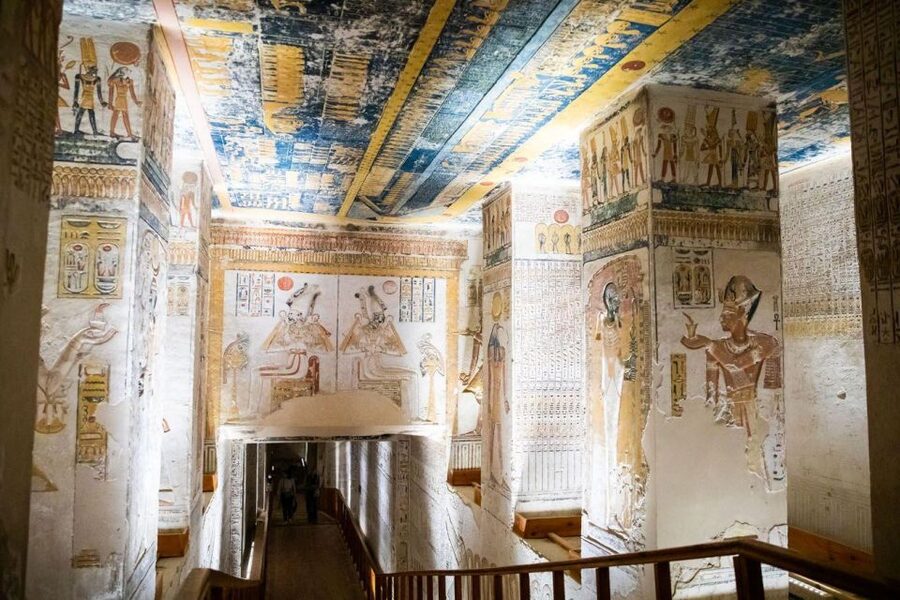
Full board is included, and the ship food is generally described as good, with plenty of choice. Staff are often praised for being warm and attentive. Rooms are described as comfortable, though cleanliness and the age of the boat can vary.
The price excludes entry fees and drinks. It also excludes airport and train station transfers. Set aside money for tips, since tipping is common on Egyptian tours, but do not feel pressured into giving more than you think is fair.
Bring a supply of small notes and be careful with purchases. One passenger paid far too much for papyrus, while another warned against buying anything without checking the price carefully. You can politely decline shopping stops and ask to return to the ship or hotel.
For water, follow sensible precautions. One passenger specifically advised against drinking tap water or using it to brush teeth. The supplied information does not promise bottled water, so ask the operator what is provided and buy sealed bottles as needed.
Cancellation is flexible, with a full refund available up to 24 hours before departure, and you can reserve now and pay later. Check availability for the exact starting time and confirm any sailing changes before departure, since river conditions can alter the schedule.
Who should book this Nile cruise?
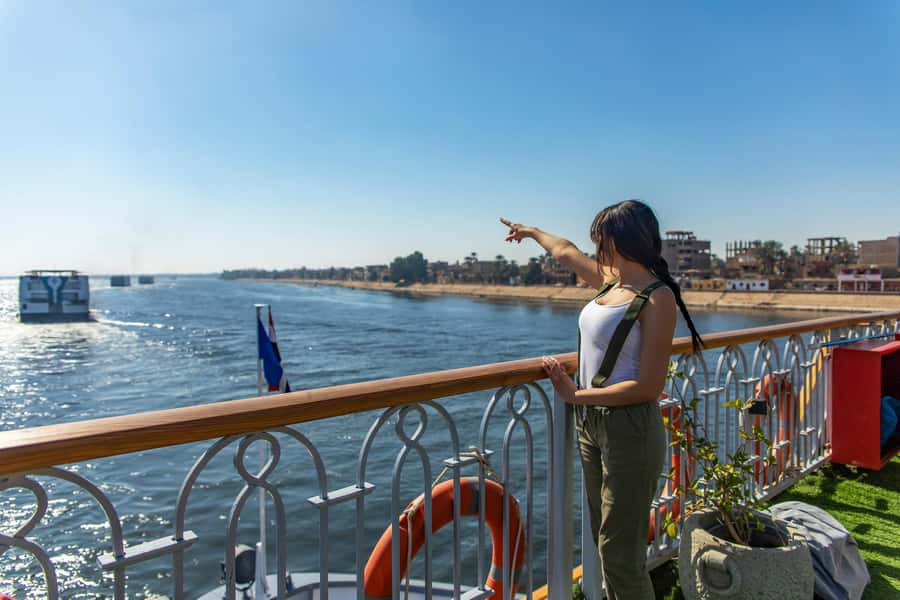
I would choose this trip if you want the main Aswan to Luxor sights with one booking, included meals, a cruise cabin, and guided transport. It suits first-time visitors who would rather not negotiate every transfer or research each temple alone.
Families can also do well here. One family praised the guides for keeping children aged eight and ten interested, and the cruise provides a useful break between outings. Still, the long Luxor day may tire young children.
This is less suitable if you want slow, independent exploration. The ship timetable controls your day, Edfu may be brief, and Luxor can feel packed. A private land tour with extra nights gives you more control, though likely with more planning and separate transport costs.
Should you book it?
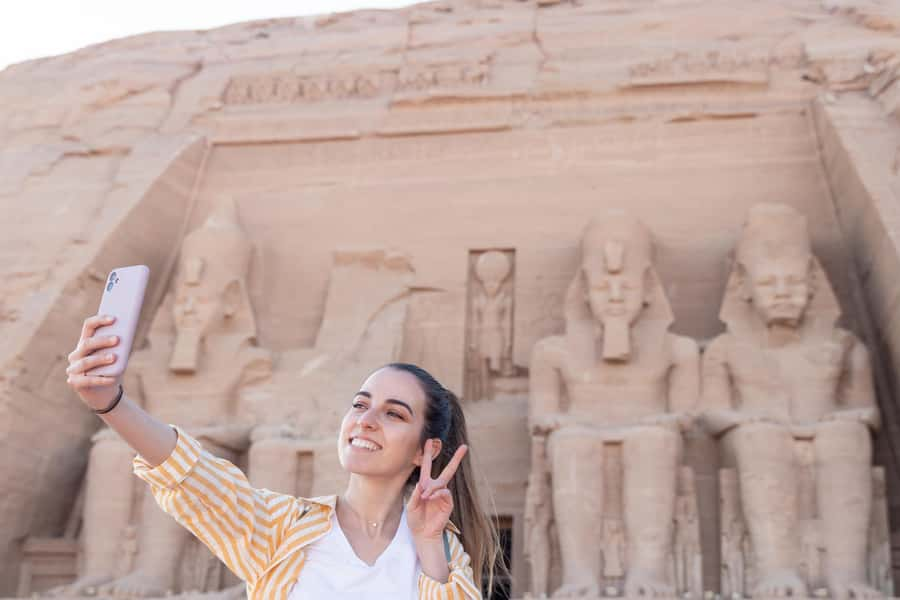
Book this cruise if you value convenience, a full route, and strong on-site explanations more than complete flexibility. Philae, Kom Ombo, Edfu, Abu Simbel, the Valley of the Kings, Hatshepsut, Karnak, and Luxor Temple make a powerful four-day introduction to Upper Egypt.
I would book it with three conditions: confirm the assigned ship, budget for entry fees and tips, and consider adding a Luxor night. If the optional Abu Simbel trip matters to you, include it from the start and accept the early departure.
The package is good value for someone who wants Egypt’s major Nile sights handled in one sweep. It is not luxury in the polished, silent-resort sense. Expect an older boat in some departures, active engines, occasional sales pressure, and a packed final day. In return, you get the Nile, remarkable temples, helpful coordination, and a clear route from Aswan to Luxor.
FAQ
How long is the Nile cruise?
The experience lasts four days and includes three nights aboard the Nile cruise ship.
Where does the cruise begin and end?
It begins in Aswan and ends in Luxor. Hotel pickup in Aswan and drop-off at your accommodation in Luxor are included.
Is Abu Simbel included?
Abu Simbel is optional. You can add a guided day trip from Aswan or enjoy a free morning before sailing toward Kom Ombo.
Are meals included?
Full board is included on the cruise. Lunch at a local restaurant in Luxor is also included. Drinks are not included.
Are entry fees included?
No. Entry fees for the archaeological sites are not included in the price.
Is airport or train station pickup included?
No. The package includes hotel pickup and drop-off, but not airport or train station transfers.
What languages are available for the live guide?
Guiding is available in Arabic, English, French, German, and Spanish.
Which temples are visited?
The route includes Philae Temple, Kom Ombo Temple, Edfu’s Temple of Horus, Karnak Temple, Luxor Temple, Hatshepsut Temple, the Valley of the Kings, and the Colossi of Memnon.
What happens with luggage on the final day?
You can leave your luggage at reception while you explore Luxor, then collect it before being dropped at your Luxor accommodation.
Can the sailing schedule change?
Yes. Some changes may occur because of sailing conditions.
Newly added river trips around Aswan
- From Aswan: Overnight Nile Cruise to Luxor with Meals★ 4.1 · 172 reviews
- From Aswan: 5-Day Nile Cruise to Luxor with Hot Air Balloon★ 3.5 · 19 reviews
- From Aswan: 8-Day Nile River Cruise to Luxor with Guide★ 4.5 · 2 reviews
- From Aswan: 4-Days 3-Night Nile Cruise with Hot Air Balloon★ 4.4 · 53 reviews
- From Aswan: 4 Days Nile River Cruise with Guided Tours★ 4.2 · 42 reviews
- Aswan: 4-Day Egypt Private Tour with Nile Cruise, Balloon★ 4.3 · 76 reviews
- From Aswan:4 Days Nile Cruise Luxor Abu Simbel & Air Balloon★ 4.4 · 310 reviews
- 4-Day Luxury Nile Cruise from Aswan to Luxor with Private Guide★ 5.0 · 9 reviews
Aswan River Cruises, compared.
4-Days Nile Cruise From Aswan To Luxor including Abu Simbel and Hot Air Balloon
Read our review →
4-Day 3-Night Nile Cruise from Aswan to Luxor&Abu Simbel+Balloon
Read our review →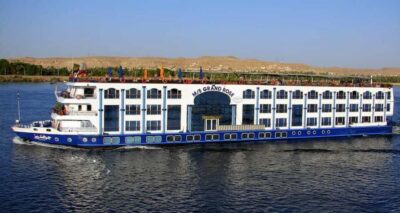
4 Days Nile Cruise Luxor Abu Simbel & Air Balloon
Read our review →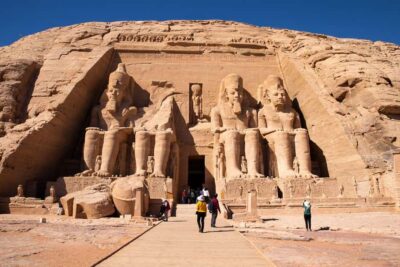
4-Days 3-Night Nile Cruise with Hot Air Balloon
Read our review →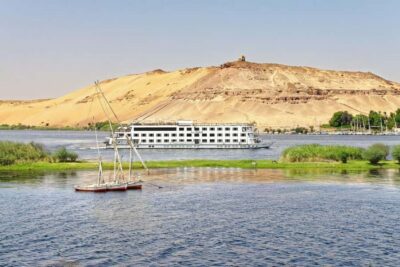
Luxury 4-Day 3-Night Nile Cruise from Aswan to Luxor
Read our review →Lists this sailing appears in