
Review · AUSTRALIA
Darwin: Mary River Wetlands Wildlife Cruise with Lunch
The best part of this Darwin day trip is the 2.5-hour open-air cruise, where crocodiles, jabirus, water buffalo, lotus flowers, and birds appear in the wetland around you. I like the careful wildlife spotting and the way guides such as Evan, Cam, Richard, and Paul mix nature notes with stories about Darwin, Indigenous culture, weather, and local history.
I also like the fresh cold lunch served on the boat and the small-group feel, which makes it easy to ask questions. The main drawback is the long day in a vehicle, and one recent passenger found the bus seats cramped. Fogg Dam can also feel brief if the cruise is running to time.
Key points at a glance
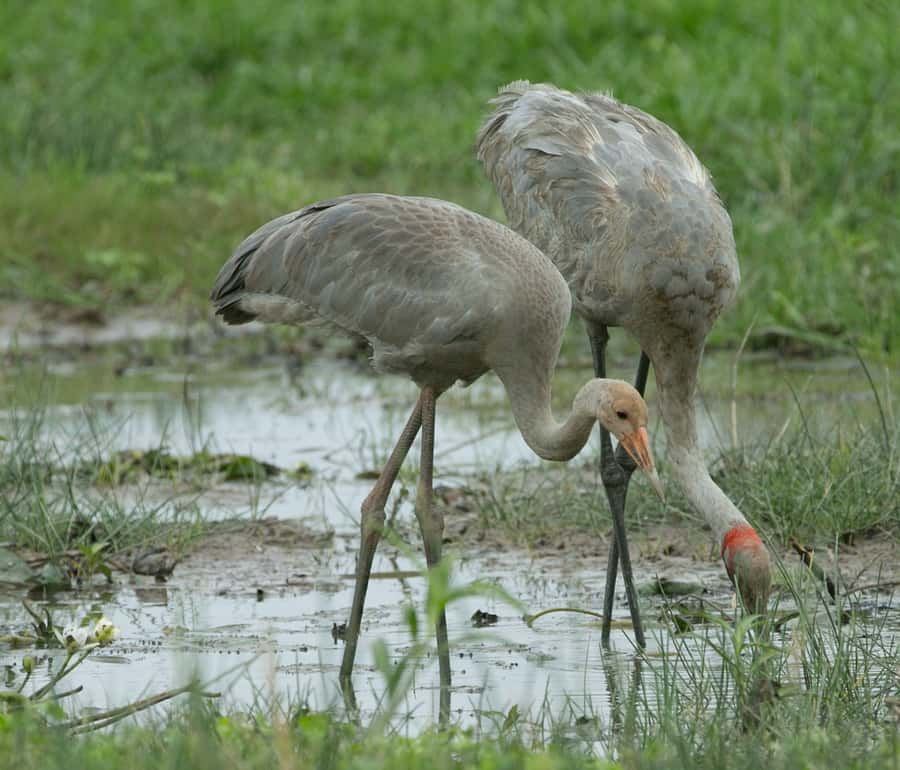
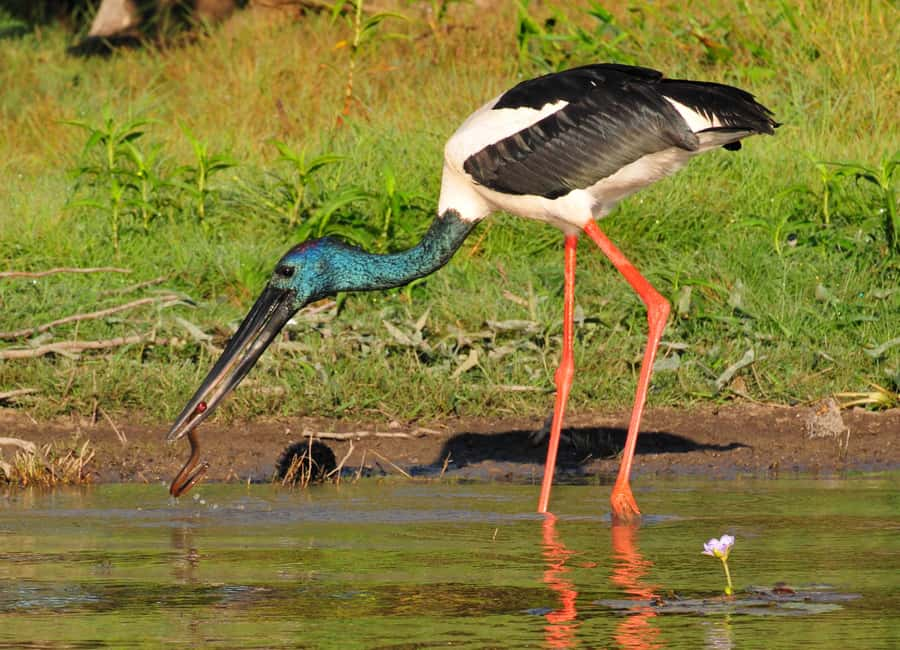
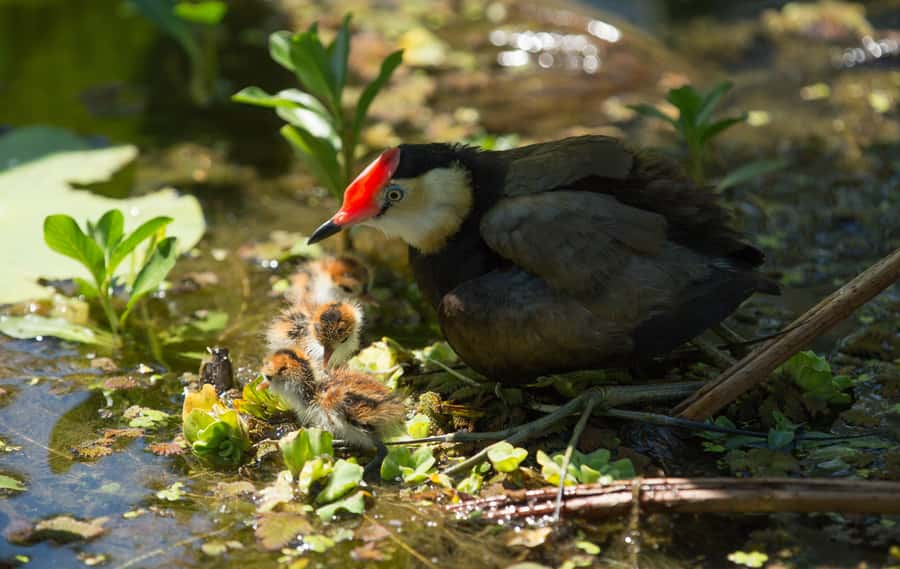
- Around 30 bird species: Keep watch for jabirus, sea eagles, brolgas, and other wetland birds.
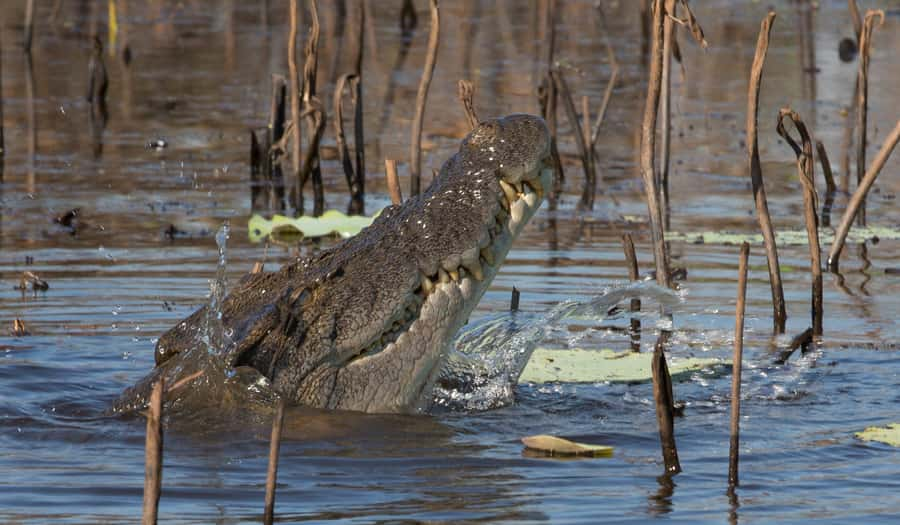
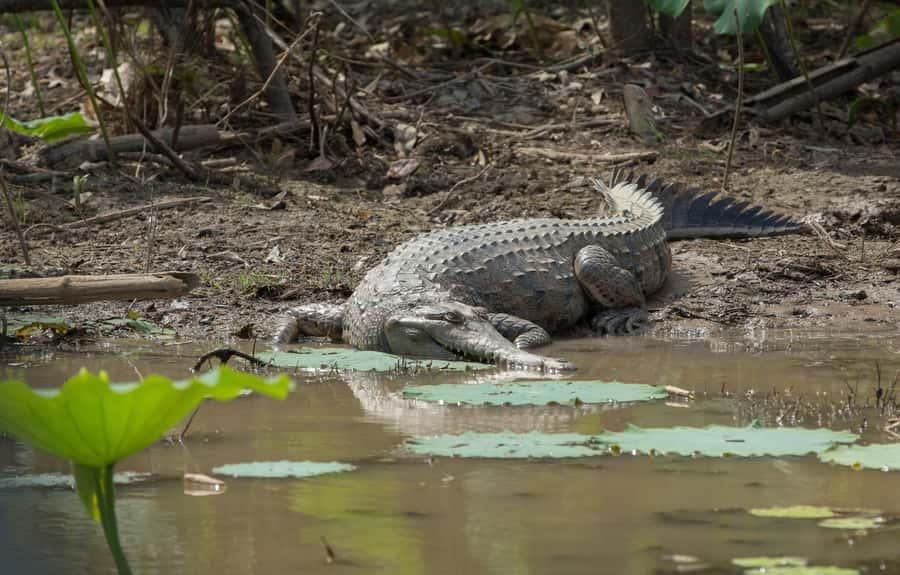
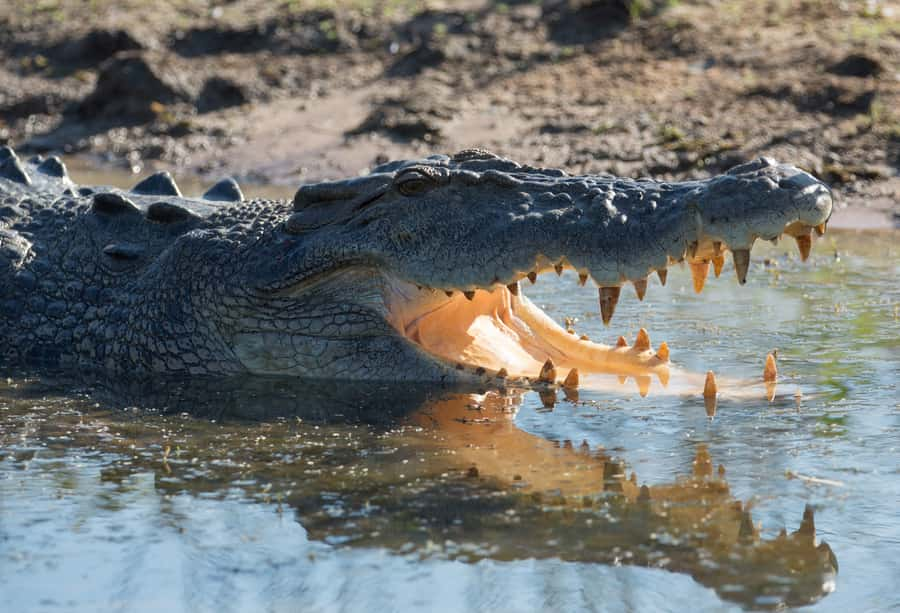
- Two kinds of crocodile: The cruise can reveal both saltwater and freshwater crocodiles in their natural setting.
- Fogg Dam with a story behind it: A failed rice-growing project from the 1950s became an important bird habitat.
- Lunch on the water: Expect fresh salads, cold sliced meats, bread, dressings, and iced water.
- Guides who do more than point at animals: Commentary can cover Darwin, Cyclone Tracy, World War II, Indigenous culture, plants, and animal welfare.
- An eight-hour day from Darwin: Hotel pickup is around 9:00 AM, with return close to 5:00 PM.
Why the Mary River cruise is the main event
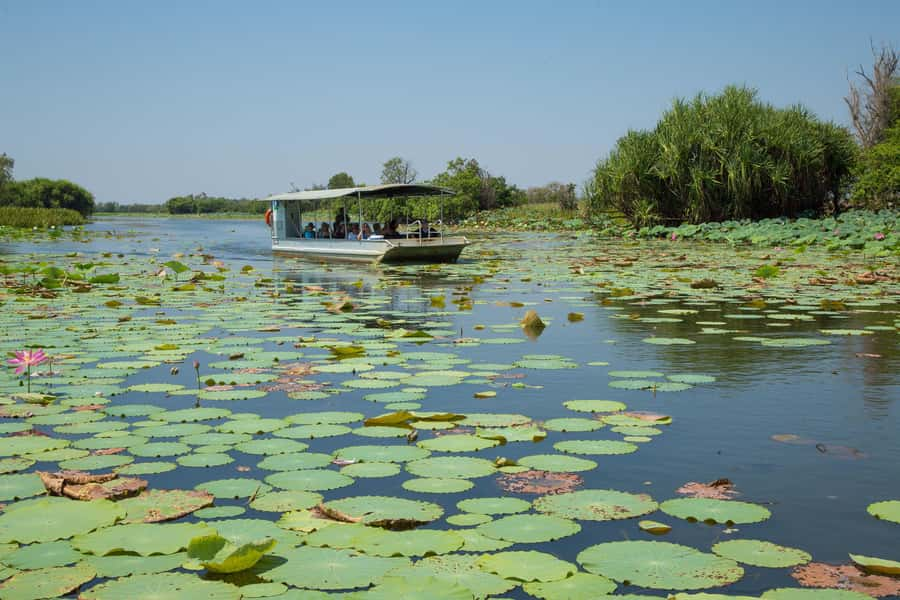
The Mary River Wetlands are not a zoo or a staged animal show. You travel through a living wetland, looking for movement in the reeds, trees, shallow water, and open billabong. That makes every sighting feel earned. A crocodile may sit almost motionless at the bank, while a large bird can vanish into the vegetation before the boat gets close.
The open-air vessel is a major advantage. You get broad views from the boat, rather than peering through glass, and there is a much better chance of taking clear photographs. The boat is also described as shady, with a cooling breeze on the water, though the tropical sun can still be strong. Bring a hat, sunglasses, sunscreen, and a camera. Binoculars are useful if you care about birds more than close crocodile views.
The cruise lasts 2.5 hours, long enough to settle into the rhythm of the wetlands. Guides have been praised for spotting animals and positioning the boat so people on different sides can see. This matters on a small vessel, where a good guide can prevent one person from having the only view.
You may see saltwater crocodiles and freshwater crocodiles, along with water buffalo and many bird species. Several visitors have seen large numbers of crocodiles, while others focused on jabirus, sea eagles, brolgas, and lotus flowers. Wildlife is never guaranteed, but the Mary River area is known for its strong concentration of saltwater crocodiles and abundant birdlife.
More Wildlife from the Water in Australia:
- Solar Whisper Daintree River Crocodile and Wildlife Cruise
★ 5.0 · 1,663 reviews - 1-Hour Daintree River wildlife cruise
★ 5.0 · 947 reviews - Daintree: Guided Daintree River Wildlife Cruise
★ 4.5 · 110 reviews
Fogg Dam: a wetland with an unexpected past
Your first major stop is Fogg Dam Conservation Reserve. Its story gives the morning some useful context. In the 1950s, the area was developed as part of a large rice-growing project. The plan did not succeed, but the water-filled reserve became a haven for birds and other wetland animals.
This stop helps you see the area as more than pretty scenery. Water management, farming, seasonal flooding, plants, and wildlife are all connected here. Guides use the drive and reserve visit to explain the local environment, and several have also included stories about Darwin, World War II, Cyclone Tracy, weather patterns, and Indigenous culture.
Allow yourself to slow down at Fogg Dam. You might find birds in the open water or along the edge of the reserve, and you may spot other animals before the boat cruise begins. It is worth carrying binoculars here, especially if birdwatching is your main interest.
The time at Fogg Dam can be a little short. One passenger specifically wished for more time there, while another day lost time after a flat tire. The cruise remains the heart of the tour, but if you are a serious birdwatcher, ask the guide how much time is planned at the reserve and adjust your expectations.
Window on the Wetlands gives you the big picture
A short drive brings you to the Window on the Wetlands Information Centre. The indoor displays explain how the wetlands work, while the upper viewing deck opens up a wide view over the Adelaide River floodplains.
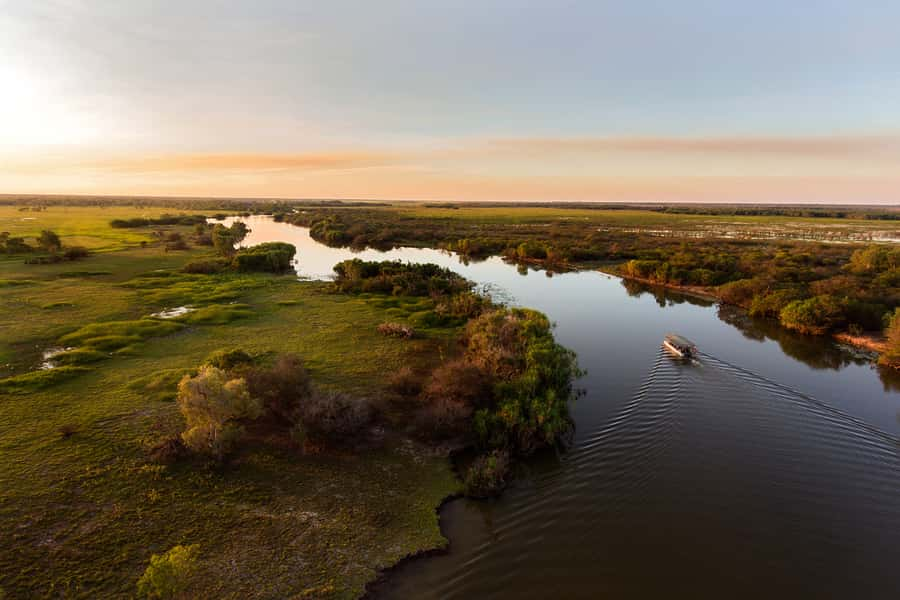
This stop works well before the cruise because it gives you a broader sense of the wetland system. On the boat, you will focus on one bend, bird, or crocodile. From the viewing deck, you can see the larger floodplain and understand how much open country surrounds the waterways.
It is also a useful break from the vehicle. You can stretch your legs, take photographs, and gather some background before heading onto the water. The centre is not the main reason to book the day, but it adds meaning to what you see later.
The guide can shape the whole day
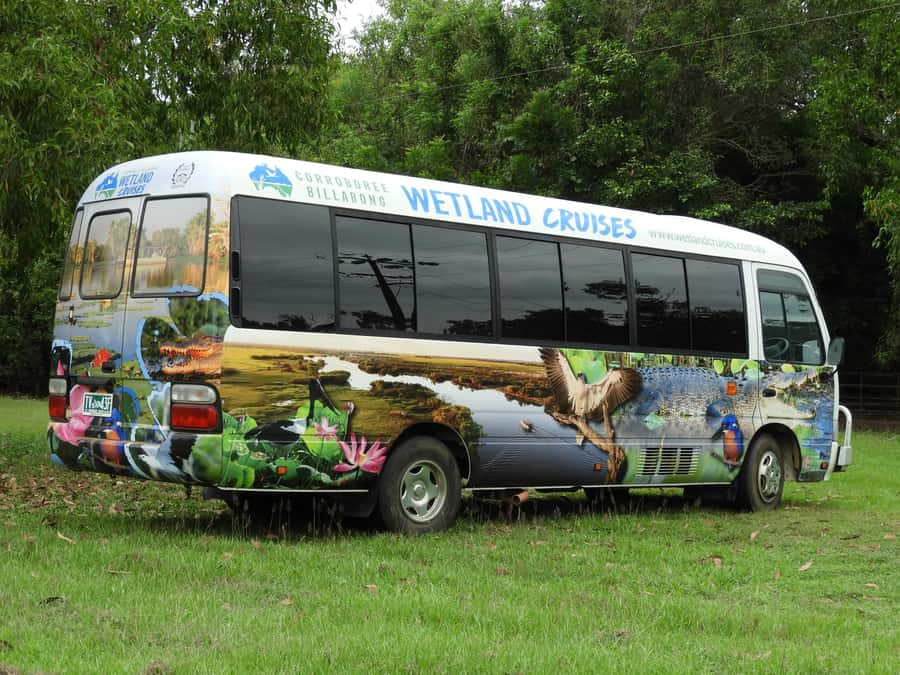
The strongest part of this tour, apart from the wildlife itself, is the guide’s role. You are not simply transferred to a boat and left to figure things out. The same guide may drive the air-conditioned vehicle, explain the region during the journey, help locate wildlife, and keep the day moving.
Guides named in past tours include Evan, Cam, Richard, Luke, Paul, and Meat. Evan received especially warm praise for combining clear information with humour, safety reminders, and stories about the environment, local culture, and Darwin. Cam was noted for his commentary on the way to Mary River and for helping everyone get a good view. Richard was praised for calm explanations and spotting birds and crocodiles.
That range of subjects makes a difference. You can ask about crocodiles, but you can also ask about plants, the wet and dry seasons, the Adelaide River floodplain, or the region’s past. Some guides have spoken about animal welfare in a neutral, professional way, which is welcome on a wildlife outing.
The small-group setup helps. The vehicle holds up to 20 passengers, while the open-air cruise vessel holds up to 29. Actual groups can be smaller, with one party describing a group of six and another describing 15 people. The numbers vary, but this is not a giant coach tour followed by a crowded boat.
More Lunch Sailings in Australia:
- Strahan: World Heritage Cruise on Gordon River with Lunch
★ 4.8 · 1,143 reviews - Adelaide Hills Tour with River Murray Lunch Cruise
★ 4.5 · 374 reviews - Brisbane: Cruise to Lunch Package: 10:30am-2pm (3.5hr)
★ 4.6 · 326 reviews - Perth: Swan River Lunch Cruise
★ 4.7 · 301 reviews
Lunch on the wetlands is simple and generous
Lunch is served during the wetland cruise, which is a pleasant way to use the long time on the water. The meal includes individual pre-packed fresh salads with dressing, cold sliced meats, bread, and iced water. You can make sandwiches if you prefer.
This is practical day-tour food rather than a restaurant meal. Several people found the portions generous, and the combination of salad, meat, and bread should suit a midday outing in the heat. One vegetarian passenger found the meal adequate but not special, so you should keep that in mind if you need a more tailored menu.
The lunch also avoids an unnecessary stop at a café or roadside restaurant. You stay close to the wetland, eat with the view around you, and get back to wildlife watching quickly. Bring a reusable water bottle as well, even though iced water is included.
The road trip is part of the experience, and part of the compromise
Pickup from your Darwin hotel is around 9:00 AM, and you return at about 5:00 PM. The trip out includes commentary, so the drive is not dead time. You may hear about Darwin’s past, local events, roads, parks, weather, and the countryside as you leave the city.
The return drive takes just under 90 minutes from the wetlands. After a full day outside, that final stretch can feel long, especially if you are tired or your vehicle is full. The included air conditioning is important in the Top End, but comfort can vary. One passenger found an older bus cramped, while others described the transport as comfortable and appreciated the punctual pickup.
Pickup is from the Darwin hotel selected at booking. Wait outside or in the lobby, and be ready at the stated time. One pickup was about 30 minutes late, but the passenger received a phone call. That is a useful reminder to keep water and a little patience handy at the start of the day.
Is $166 good value?
At $166 per person, this is not the cheapest way to see one crocodile or take a short boat ride. The price covers hotel transfers, an air-conditioned vehicle, commentary, two wetland stops, a 2.5-hour cruise, lunch, and iced water. You also avoid arranging transport to a remote nature area yourself.
I think the value is strongest if you want a full day with interpretation. A simple cruise may be enough for you if your only goal is to be on the water. This tour adds the context of Fogg Dam and the viewing centre, plus a guide who explains what you are seeing.
It is also good value for people who do not want to drive in an unfamiliar region or plan their own wildlife stops. The day is organized from Darwin, with return transport included. The tradeoff is time: you give up eight hours and spend a fair amount of it on the road.
Who should book this Darwin day trip?
I would choose this for birdwatchers, first-time visitors to the Top End, photographers, and anyone who wants to see crocodiles without a staged feeding show. The open boat and patient wildlife spotting make it more rewarding than simply checking off a river cruise.
It suits adults and older children who can manage a full day. The tour is not recommended for children under five. It cannot accommodate wheelchair users, and people over 309 pounds, or 140 kilograms, cannot take part.
You should also enjoy guided outings. Commentary is a central part of the day, not background noise. If you prefer complete independence, a private car and self-directed visit may suit you better, but you would lose the guide’s ability to spot animals and explain the wetland.
Practical tips for a better day
Wear light clothing that protects you from the sun, and bring a hat, sunglasses, sunscreen, binoculars, and a camera. The boat is open to the air, so you want protection even if the breeze feels cool.
Keep expectations realistic. You may see many crocodiles and around 30 bird species, but wildlife sightings depend on conditions and animal behavior. The guide can improve your chances, but no one can promise a particular bird or a close approach.
Ask questions early. The small-group format gives you a better chance to discuss plants, crocodile behavior, local history, or photography than you would have on a large coach outing. Also listen for the safety briefing and follow instructions around the water and animals.
Free cancellation is available up to 24 hours before departure, and you can reserve now and pay later. Travel insurance is recommended.
Should you book the Mary River Wetlands cruise?
Book it if you want more than a short crocodile encounter. The combination of Fogg Dam, the Window on the Wetlands, a long open-air cruise, lunch, and a strong local guide gives you a solid picture of the Top End wetlands in one day.
Skip it if you dislike long vehicle rides, need wheelchair access, want a customized vegetarian meal, or prefer a short independent outing. For most nature lovers based in Darwin, though, the $166 price is fair for the amount of transport, guiding, food, and time on the water. Bring binoculars, leave room on your camera, and give the crocodiles the attention they deserve.
FAQ
How long is the Mary River Wetlands tour?
The tour lasts about eight hours. Pickup is around 9:00 AM, with return to your Darwin accommodation at approximately 5:00 PM.
What places are included?
The day includes Fogg Dam Conservation Reserve, the Window on the Wetlands Information Centre, and a 2.5-hour cruise on the Mary River Wetlands.
What wildlife might I see?
You might see saltwater and freshwater crocodiles, many bird species, water buffalo, lotus flowers, jabirus, sea eagles, and possibly brolgas. The cruise usually provides opportunities to see about 30 bird species.
What is included for lunch?
Lunch includes fresh individual salads with dressings, cold sliced meats, bread, and iced water. You can make sandwiches from the supplied ingredients.
How many people are on the tour?
The air-conditioned vehicle holds a maximum of 20 passengers. The open-air cruise vessel holds a maximum of 29 passengers, although some departures may be smaller.
Is the tour suitable for young children or wheelchair users?
The tour is not recommended for children under five and cannot accommodate wheelchair users.
What should I bring?
Bring sunglasses, a sun hat, sunscreen, a camera, binoculars, and a reusable water bottle. Travel insurance is also recommended.
Newly added river trips around Australia
- Darwin: Kakadu National Park, Yellow Water River Cruise★ 4.4 · 4 reviews
- Darwin: Adelaide River Cruises, Jumping Crocodile Experience★ 4.8 · 79 reviews
- Darwin: Spectacular Jumping Crocodile Adelaide River Cruise★ 4.7 · 237 reviews
- Darwin: Jumping Crocodile River Cruise with Shuttle Bus★ 4.3 · 65 reviews
- Daintree: Guided Daintree River Wildlife Cruise★ 4.5 · 110 reviews
- Discover Cairns: Cairns River Cruise & City Sights Tour★ 5.0 · 3 reviews
- Cairns: Sightseeing River Boat Safari with Soft Drinks★ 4.5 · 52 reviews
- Byron Bay: Scenic Sunset River Cruise★ 4.8 · 8 reviews
Australia River Cruises, compared.
Solar Whisper Daintree River Crocodile and Wildlife Cruise
Read our review →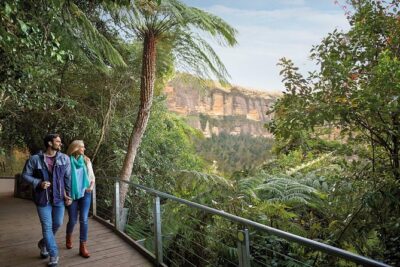
Blue Mountains Day Tour Including Parramatta River Cruise
Read our review →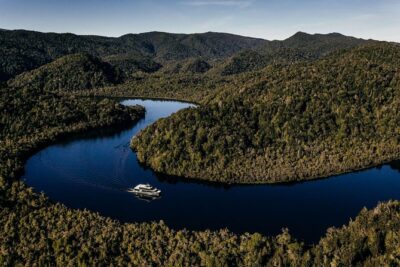
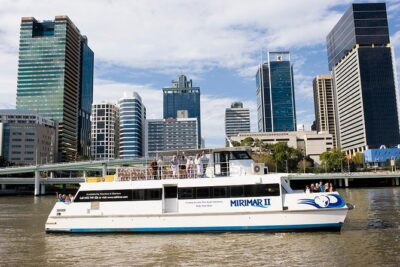
Brisbane River Cruise with entry to Lone Pine Koala Sanctuary
Read our review →
Spirit of Melbourne Dinner Cruise on the Yarra River
Read our review →
Brisbane River Cruise and Koala Sanctuary Visit
Read our review →Lists this sailing appears in